
Pumpkin, Algonquian (Certified Organic Seeds)
$4.79

This item may be out of season or currently out of stock. Please check back.
Description: Originating from the ancestral lands of the Algonquian peoples of Northeastern America, the Algonquian Pumpkin captivates with its generous shape and warm colour, reminiscent of the hues of the calm fires of early autumn . This heirloom variety, passed down through generations, carries within it the living memory of Indigenous cultures, where it served as both a nourishing food and a natural container once the fruit was dried and hollowed out.
In the garden, it spreads its vigorous creeping habit, forming long, fertile vines that flourish under the late summer sun. Its fruits, often globular to slightly ribbed, contain dense, orange and sweet flesh , ideal for soups, purees, tarts or winter preserves.
Certified Organic/ Heirloom/ Open Pollinated/ Non-GMO
Pack Size: 20 seeds
Latin Name: Cucurbita pepo
Main Uses: Culinary, Ornamental
Days to Maturity: 105 days to maturity
Exposure: Full sun
Height: Ground-hugging vine
Certified Organic: Québec vrai
Germination: 7- 14 days at 21°C.
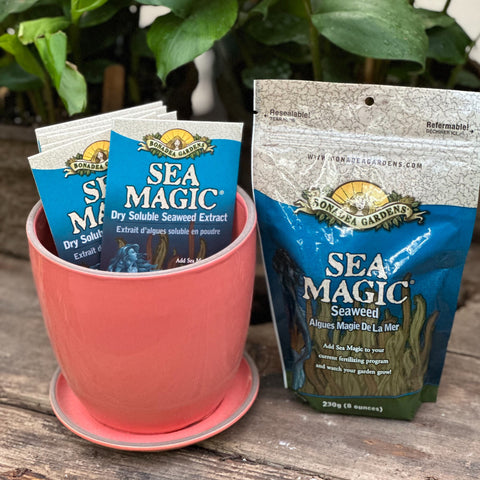
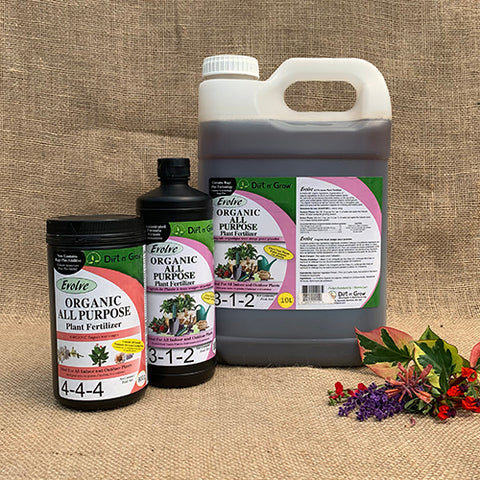
Sowing: Indoors 3 - 4 weeks before last frost. Sow seeds in 3” pots. For best results, apply Sea Magic™ kelp from first watering. Apply a seedling-starter fertilizer such as Evolve Seedling once the second set of true leaves has appeared, and then alternate between the kelp and seedling starter until transplant.
Outdoors: direct seed after last frost date. Planting depth: 1”.
Spacing: Space seedlings 2’ apart. For direct sowing, place 5 seeds each in hills 4’ - 6’ apart. Thin to 3 plants per hill when first true leaves appear.
Harvesting: When fruit turns orange. Leave stem attached to pumpkin when picking.
Growing in Containers: Not suited for containers.
Growing in Mixed Planters: Not suited for mixed planters.
Fertilizing (Garden): Plant in a garden bed amended with compost. No additional fertilizer is required.
Watering (Garden): Water evenly through the season.
Garden Companions:
- Squash (including pumpkins) gets along with Celery, Corn, Beans and Radishes. Pole beans work well planted near squash since they are heavy feeders. Beans can be trained up a trellis, and their roots fix nitrogen to enrich the soil. Nasturtiums act as a trap crop for pests such as flea beetles and aphids. Other beneficial companion plants such as basil tend to repels flies and mosquitoes. Planting oregano repels cucumber beetles. Tuck some radishes in among the rows as they help keep squash borers away.
Suitability for Indoors: Not suited for indoors.
)